
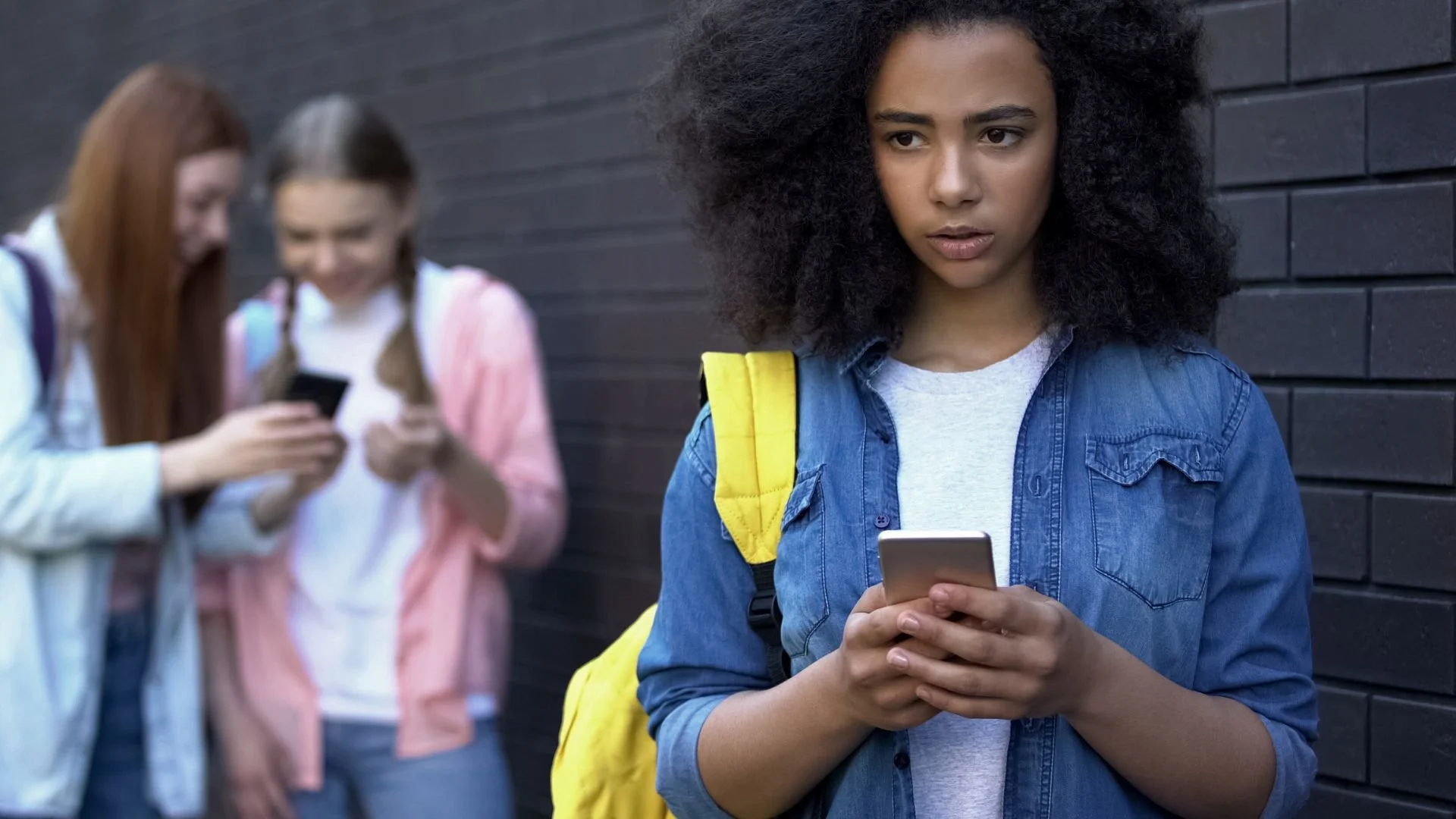
Cyberbullying is a serious and growing problem that affects children and teenagers across Canada. Unlike traditional bullying, cyberbullying can follow a child home through their phone, tablet, or computer, making it difficult to escape. The emotional, psychological, and sometimes physical harm caused by cyberbullying can be devastating, and in severe cases, it has been linked to depression, anxiety, self-harm, and suicide.
Canadian law provides several protections against cyberbullying, and parents have options for taking legal action when their child is targeted. This article explains the relevant laws, what parents can do, and how a Personal Legal Service Plan can provide legal guidance.
What Is Cyberbullying Under Canadian Law
Cyberbullying involves the use of digital technology, including social media, text messages, email, and online platforms, to harass, threaten, humiliate, or intimidate another person. In Canada, cyberbullying can involve criminal behaviour, including criminal harassment (stalking), uttering threats, defamatory libel, extortion, and the non-consensual distribution of intimate images. The Criminal Code of Canada addresses many of these behaviours, and offenders can face serious consequences, including criminal charges and imprisonment.
Provincial Legislation
Several provinces have enacted specific legislation to address cyberbullying. Nova Scotia's Intimate Images and Cyber-protection Act allows victims to apply for a cyber-protection order, which can require the bully to stop the behaviour, remove harmful content, or refrain from contacting the victim. Other provinces, including Alberta, Manitoba, and Saskatchewan, have also introduced laws that provide civil remedies for victims of cyberbullying. These provincial laws complement the protections available under the Criminal Code.
What Parents Can Do
If your child is being cyberbullied, the first step is to document everything. Save screenshots, messages, posts, and any other evidence of the bullying behaviour. Report the behaviour to the social media platform or website where it is occurring. Contact your child's school, as most Canadian schools have anti-bullying policies and are required to investigate and respond to reports of bullying, including cyberbullying.
If the behaviour involves threats, harassment, or the distribution of intimate images, report it to the police. You may also consider consulting a lawyer to explore your legal options, including filing a civil lawsuit for damages or seeking a protective order.
Teaching Children About Online Safety
Prevention is an important part of addressing cyberbullying. Talk to your children about responsible online behaviour, the importance of treating others with respect, and what to do if they encounter cyberbullying. Encourage them to come to you if they are being bullied or if they witness someone else being bullied. Monitor your child's online activity in an age-appropriate way and set clear rules about screen time and social media use.
How a Personal Legal Service Plan Can Help
With a Personal Legal Service Plan, you can consult with a Provider Law Firm in your province if your child is experiencing cyberbullying. A lawyer can advise you on the legal options available, help you document the behaviour, and guide you through the process of filing a police report, seeking a protective order, or pursuing a civil claim for damages.
Ready to Get Protected?
Get affordable legal protection today. Choose your location to explore Personal Legal Service Plans.